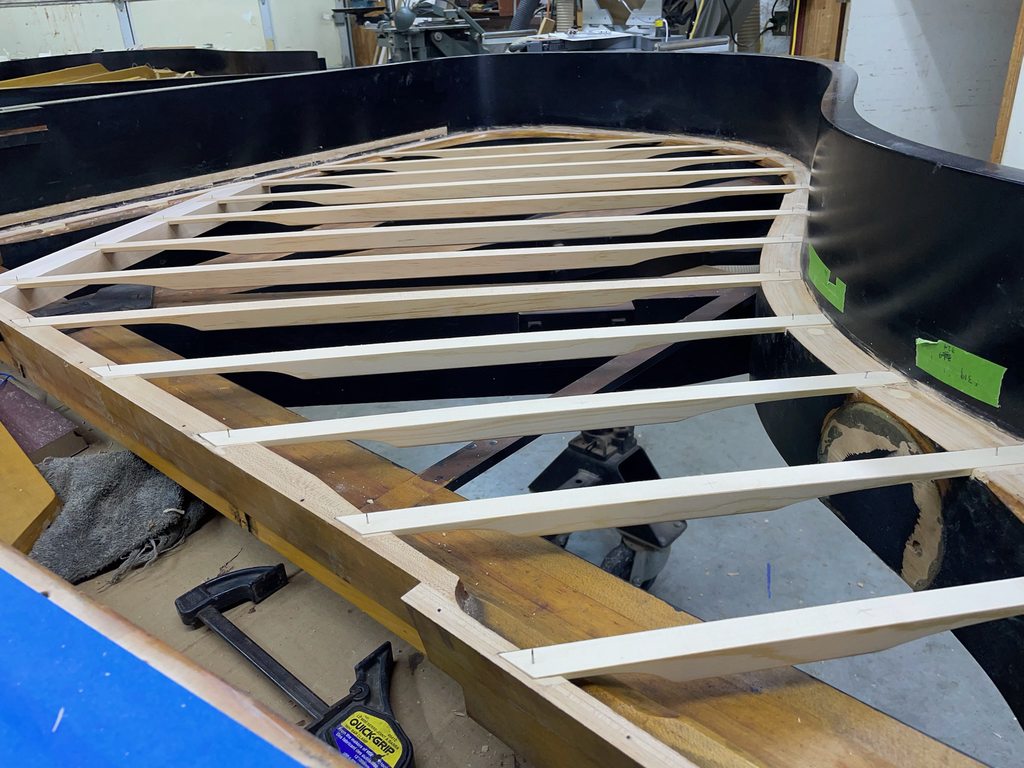
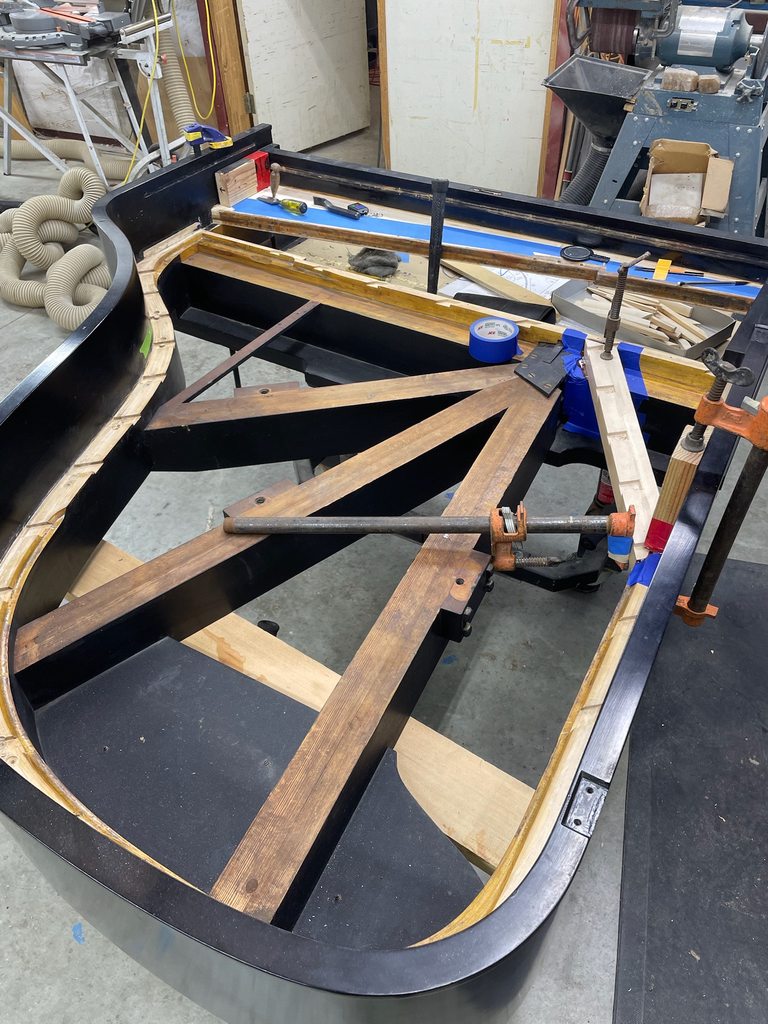
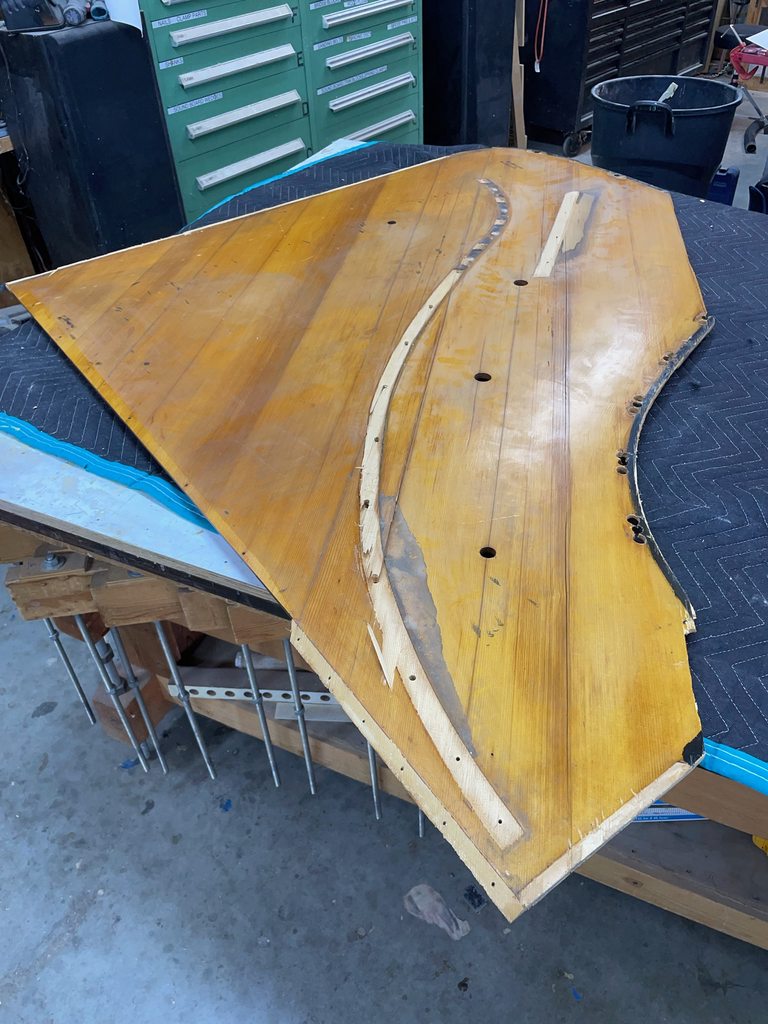
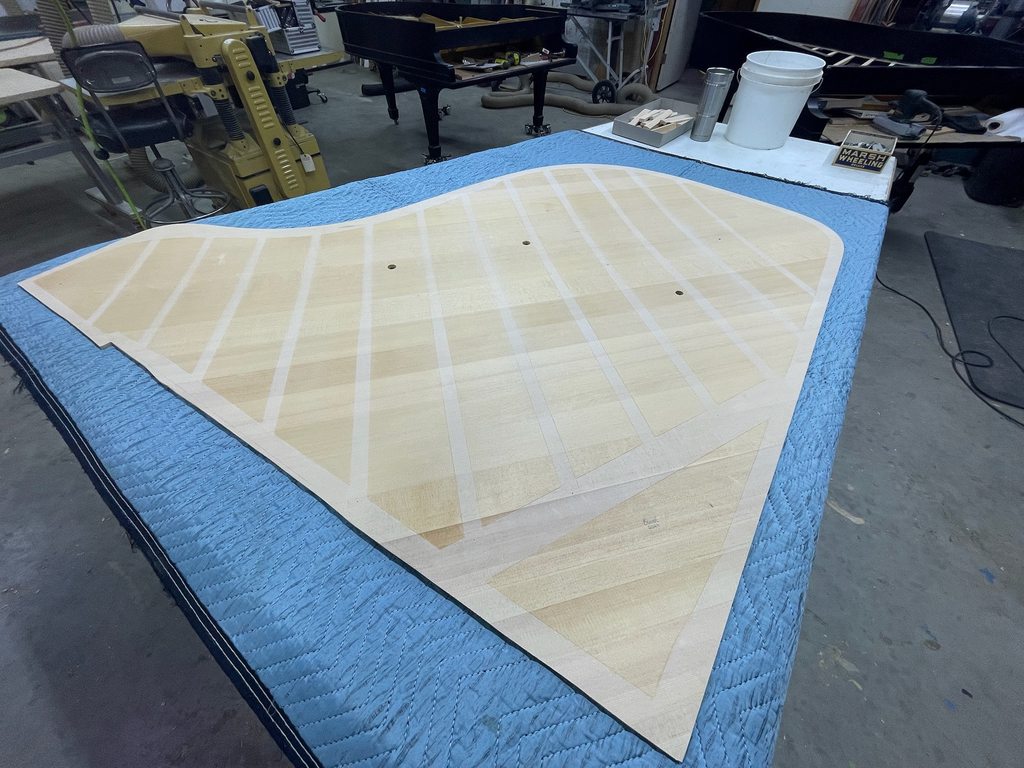
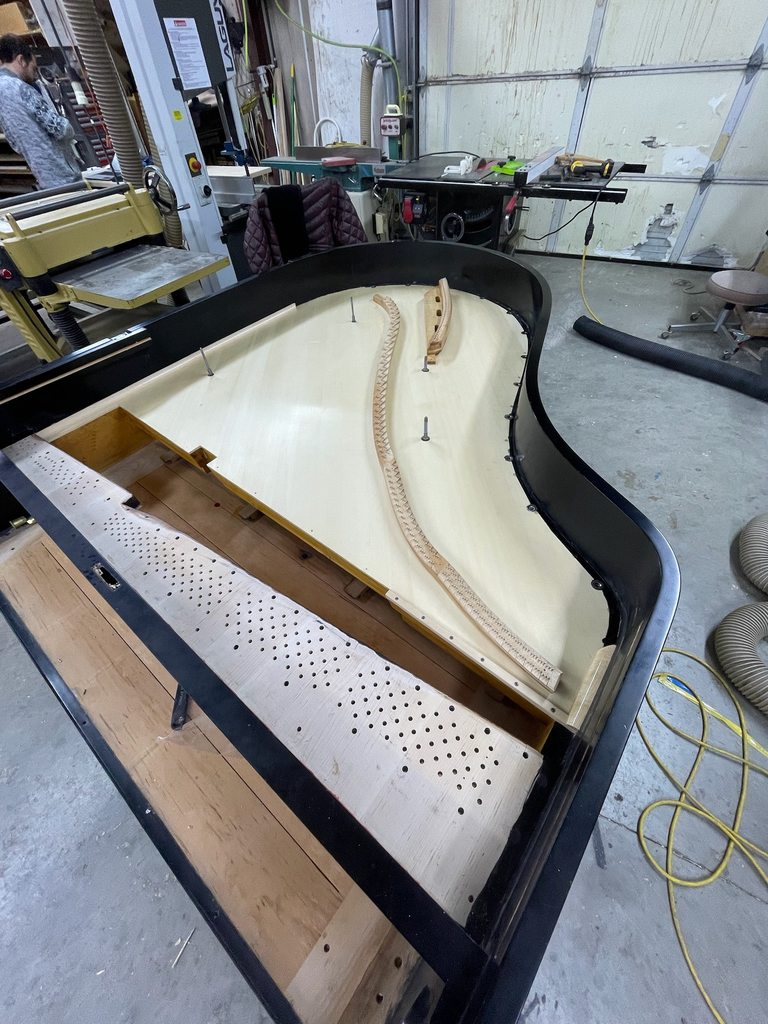
@danno858 wow, thanks for the photos! How cool! You must be soooo excited!!!
danno858 Last fall the humidity levels close to the piano were averaging close to 60%. We had less heat than usual and did not need to run a/c. I kept the windows open a lot for air flow. When the weather was like that, the piano sounded better overall.
It's always interesting to me how these things influence the piano's sound. Certainly there's a tuning question, but I wonder if it was the hammers that contributed to the "better overall" sound, or something else....
Suddenly it got very dry in late October and stayed that way ever since. The RH dropped to averaging 35 to 38 near the piano. The piano got twangy and out of tunish sounding. Probably a combo of needing a new board, strings and hammers. The pin block seemed very stable, but I don’t really know.
I mean, when the RH drops so much, a big thing is just to tune the piano within that climate and often that makes all the difference. But of course your piano is from 1911, whereas mine is from 2000, so getting all the work done to it that you're doing was probably more than overdue!
Anyway, I can't wait to hear how your piano sounds after you get it home!!
Many years ago (around 2010??) I had lessons for about a year and half on an 85-key Steinway-B (if memory serves) that was over 100 years old and had been restored..... That piano was absolutely amazing. Because it had been fully restored, it felt so solid under the fingers, like a modern instrument. But it had a sound, a tonal quality like none other..... I miss that piano. (My current piano teacher teaches out of a music school where all the instruments are quite... in a word.... sh*tty. 😅 the quality of the teacher makes up for it though.
Anyway, what I meant to say is, restoring these old instruments can create the most amazing results!